Co-founder of the MOSAIC method
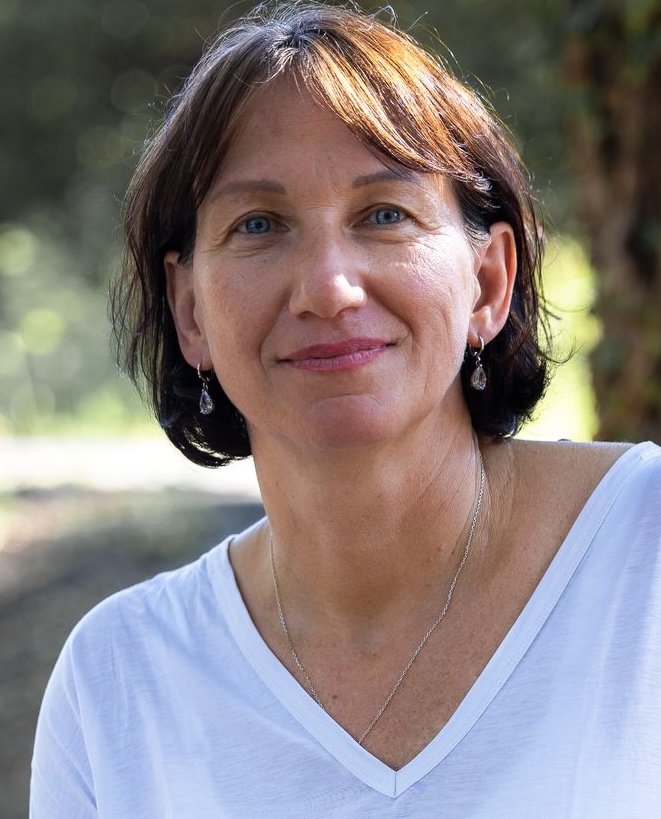
Dr. Stephanie Khalfa
Doctor in Neuroscience and Psychologist
For over twenty-seven years, Stephanie Khalfa has conducted research at CNRS Marseille (Center for Research in Psychology and Neurosciences, UMR 7077) on emotions, stress and psychological trauma. Winner of the David Servan-Schreiber Prize 2019 for her work on bilateral stimulations and their therapeutic effects, she co-founded MOSAIC therapy and has continued its scientific, clinical and ethical development since 2021. In 2021, she published From EMDR to MOSAIC Therapy – Healing Psychological Trauma Without Pain. She trains numerous practitioners and teaches at several universities. Her commitment: making neuroscience advances accessible for psychological care.
27 years
CNRS Research
2019
David Servan-Schreiber Prize (EMDR)
+1100
Trained practitioners
Scientific and academic background
PhD in Neuroscience
Claude Bernard Lyon 1 University - Thesis on auditory lateralization in infantile autism
International Post-doctorate
University of Montreal, Canada - International Laboratory for Brain, Music and Sound Research
27 years of research at CNRS Marseille
Researcher at the Center for Research in Psychology and Neurosciences (CRPN, UMR 7077, CNRS & Aix-Marseille University): studies on emotions, stress and psychological trauma, with particular interest in EMDR mechanisms and MOSAIC therapy development.
David Servan-Schreiber Prize 2019
Winner of the prestigious prize rewarding the quality of her scientific work on EMDR functioning and neurophysiological mechanisms of trauma.
Creation and development of MOSAIC therapy
Ocular Movements and Alternating Stimulations for Cerebral Integration
"Transforming neuroscientific advances into concrete therapeutic tools for gentle healing, without re-traumatization."
- Dr. Stephanie Khalfa
MOSAIC pillars
Solution-focused and body-oriented vision
Gentle treatment through mobilization of internal resources, avoiding direct exposure to traumatic memories
Rooted in neuroscience
Based on research in brain plasticity, memory reconsolidation and emotional regulation
Therapist protection
Reduces the risk of vicarious trauma through an approach centered on positive bodily sensations
Integrative approach
Combines validated practices (EMDR, hypnosis, brief therapies, IFS, NVC...) to optimize brain plasticity
Academic contributions and publications
50+ international publications, regular conference presentations, scientific collaborations and research partnerships.
Major publications on MOSAIC therapy
Observational clinical study on MOSAIC therapy
MOSAIC vs EMDR comparative study (2023)
Book: From EMDR to MOSAIC Therapy
Book: From EMDR to MOSAIC therapy (English)
Ongoing clinical research
Randomized controlled clinical studies within a multicenter PHRC project led by AP-HM.
Scientific recognition
Winner of the David Servan-Schreiber Prize in 2019.
Training and supervision for practitioners
Transmitting MOSAIC expertise to helping relationship professionals
Teacher-consultant at several universities
Cote d'Azur University
Nice Sophia Antipolis
Savoie Mont Blanc University
University of Lorraine
Metz
Paris Saclay University
Aix-Marseille University
MOSAIC practitioner training and supervision
MOSAIC therapy training combines theoretical teaching, practical applications, specialization modules and supervisions to ensure lasting mastery of the therapy.
- ✓Reference module: theoretical and neuroscientific foundations + MOSAIC protocol
- ✓Complete path specialization modules: 4 specializations included in MOSAIC therapy certificate
- ✓Other specialization modules: 4 modules to enrich therapeutic practice
- ✓Clinical supervisions: individual or group, mandatory for certification
Clinical specializations
Advanced modules to deepen specific applications:
- ✓Complex traumas
- ✓Anxiety disorders, phobias, OCD
- ✓Depression
- ✓Addictions
- ✓Babies, children and adolescents
- ✓Couples
- ✓Groups
- ✓Transpersonal
Continuous development
Dr. Khalfa is currently developing new modules to expand MOSAIC's fields of application.
Workshops, conferences and outreach
Sharing advances on psychological trauma and innovative therapies, and raising awareness of MOSAIC therapy among practitioners, researchers and the general public.
Conferences & congresses
Presentations at scientific and psychology congresses
Practical workshops
Immersive training workshops and clinical demonstrations
Podcasts and media
Scientific communications and public outreach
Mission and vision
Transforming neuroscience discoveries into concrete therapeutic tools.
Stephanie Khalfa's work follows a translational research approach: her publications, involvement in clinical projects, university and CNRS collaborations, and continuous training development ensure the reach of the MOSAIC method.